
Floral Theory Seen in Practice
Each case here captures how learners worked through real compositional problems — the choices they made, what shifted their thinking, and where the theory showed up in the work.
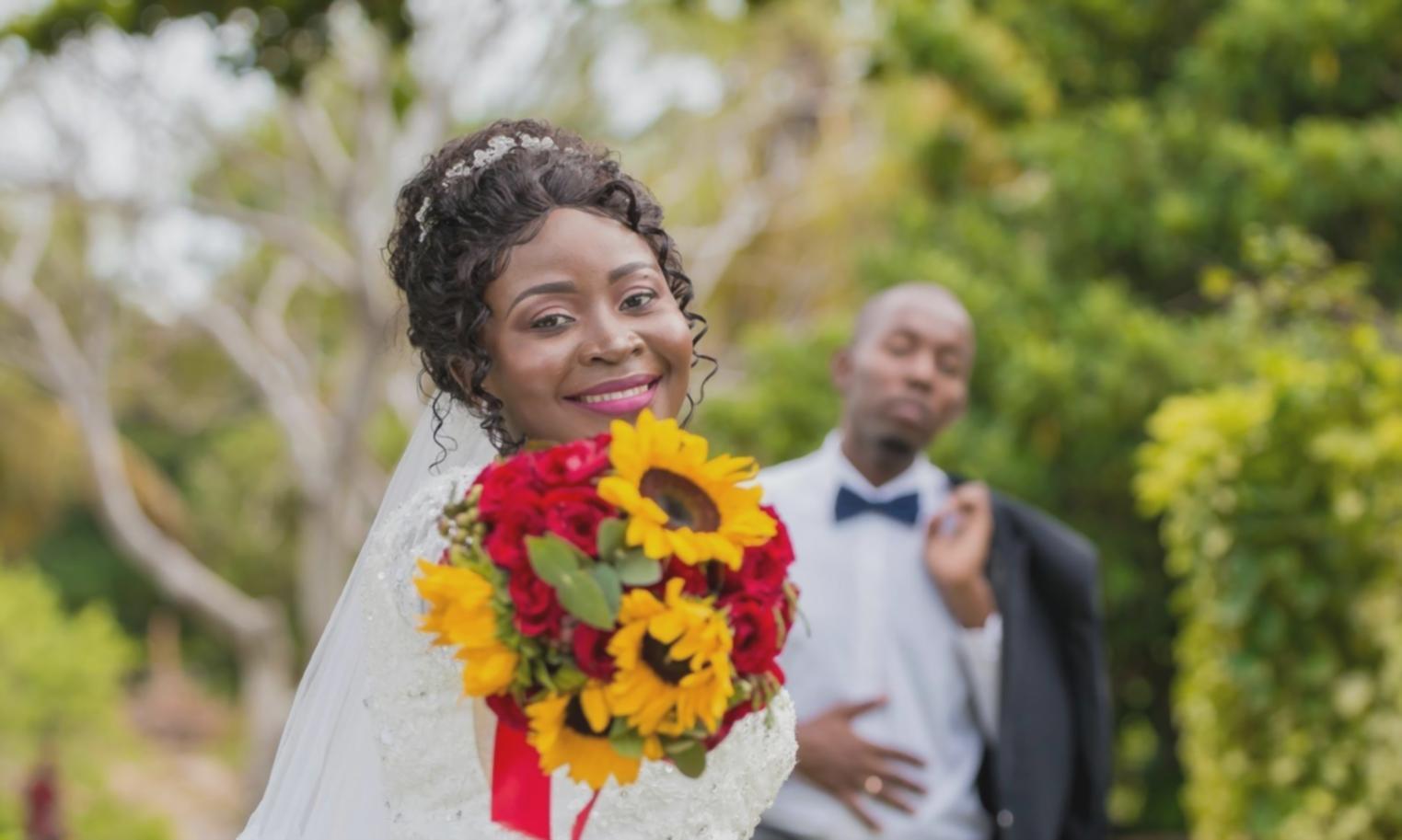
Color Harmony in Floral Arrangements: A Student Case Study
Read case study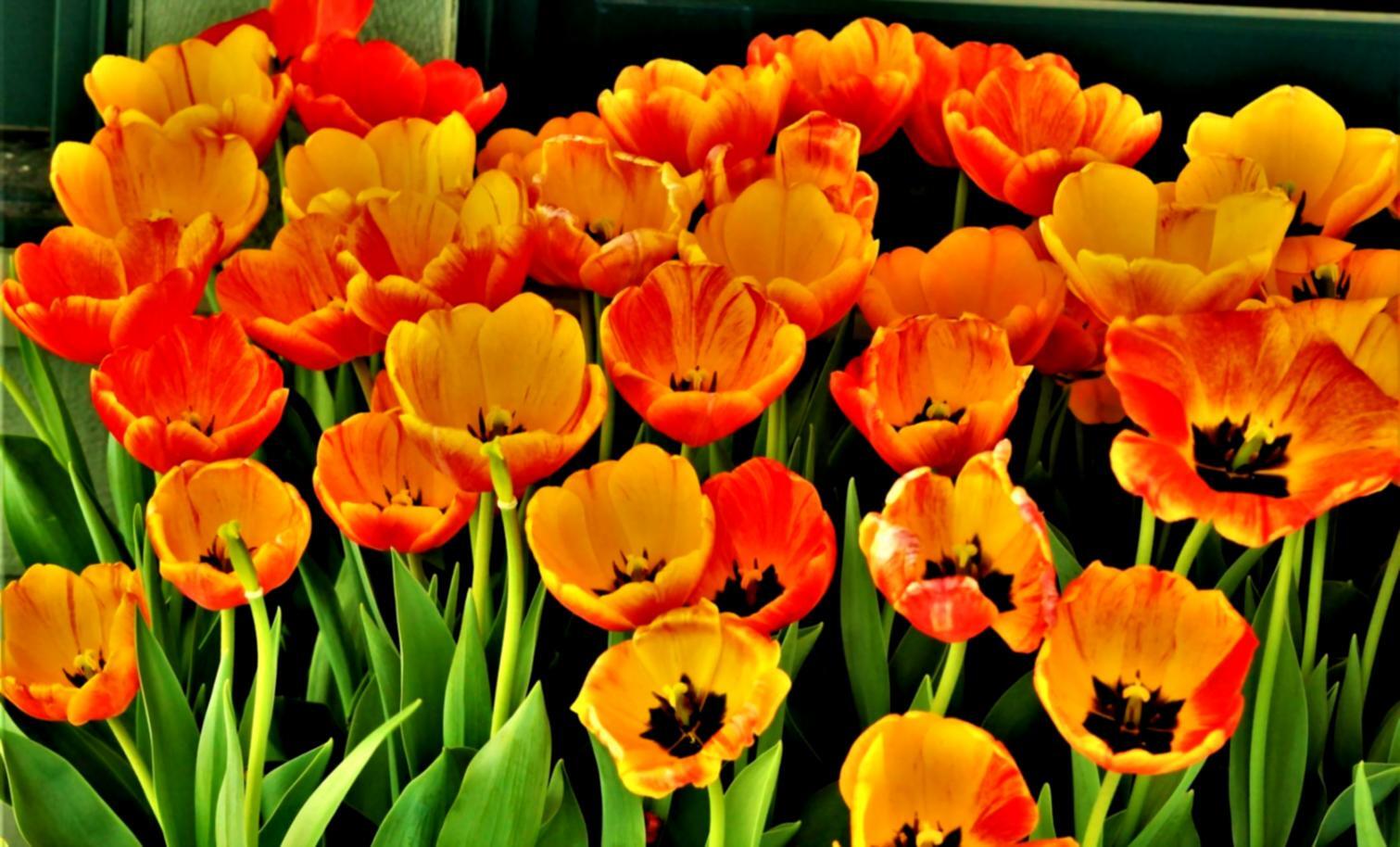
Balance and Proportion in Floral Design: Real Student Questions Answered
Read case study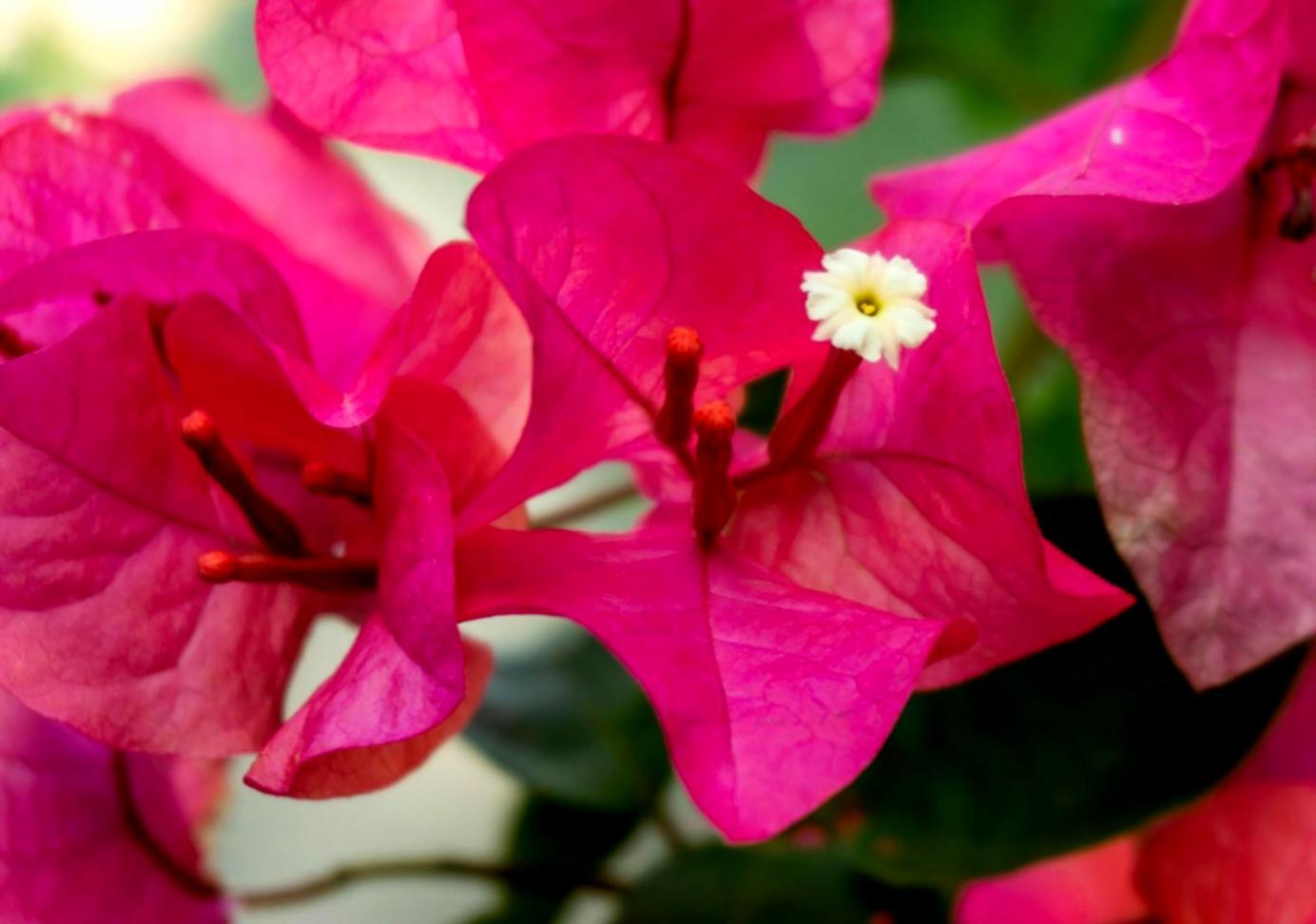
Texture Contrast in Flower Composition: What Students Get Wrong
Read case study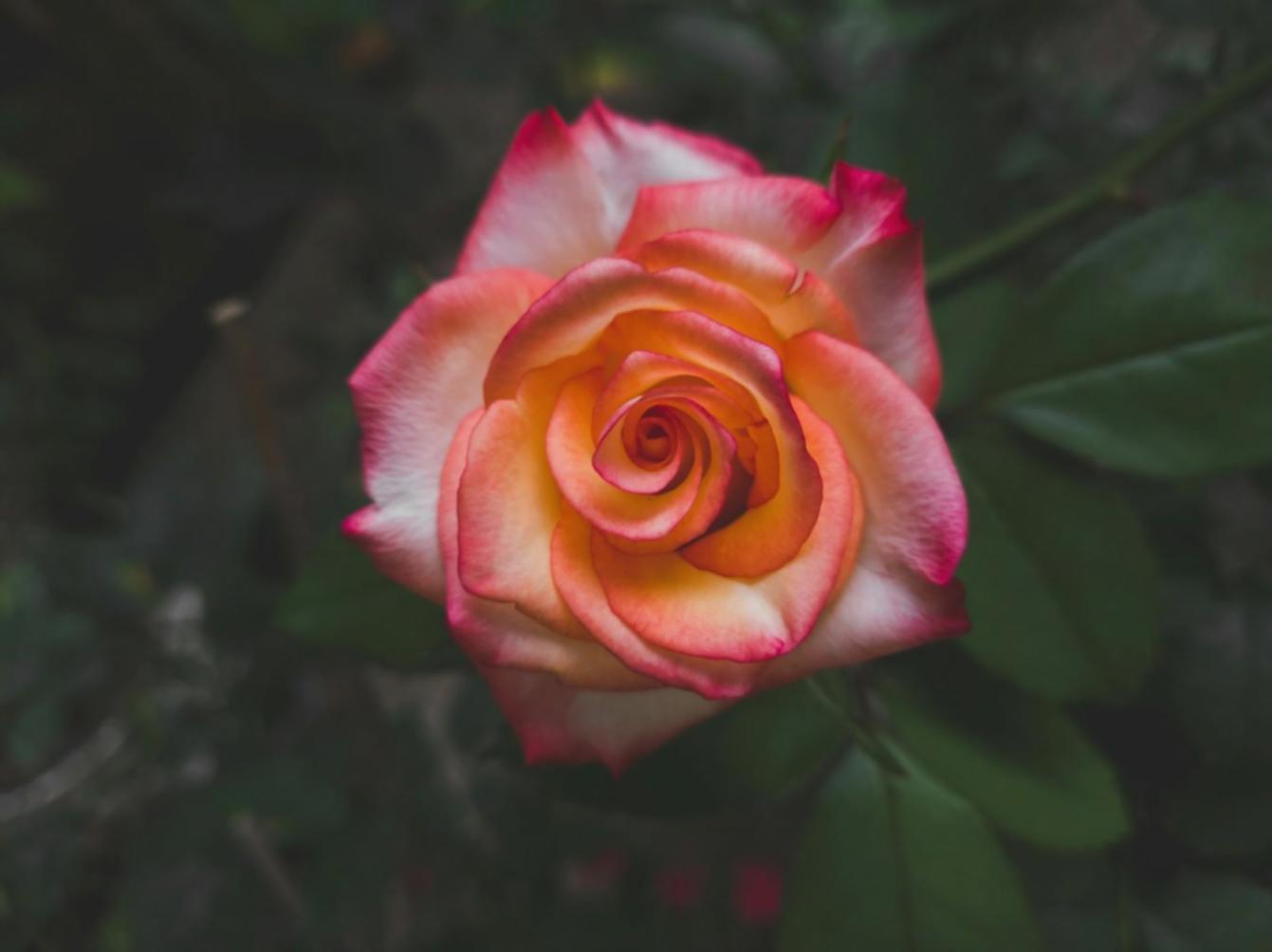
Focal Point Theory in Floral Art: A Student FAQ Case Study
Read case study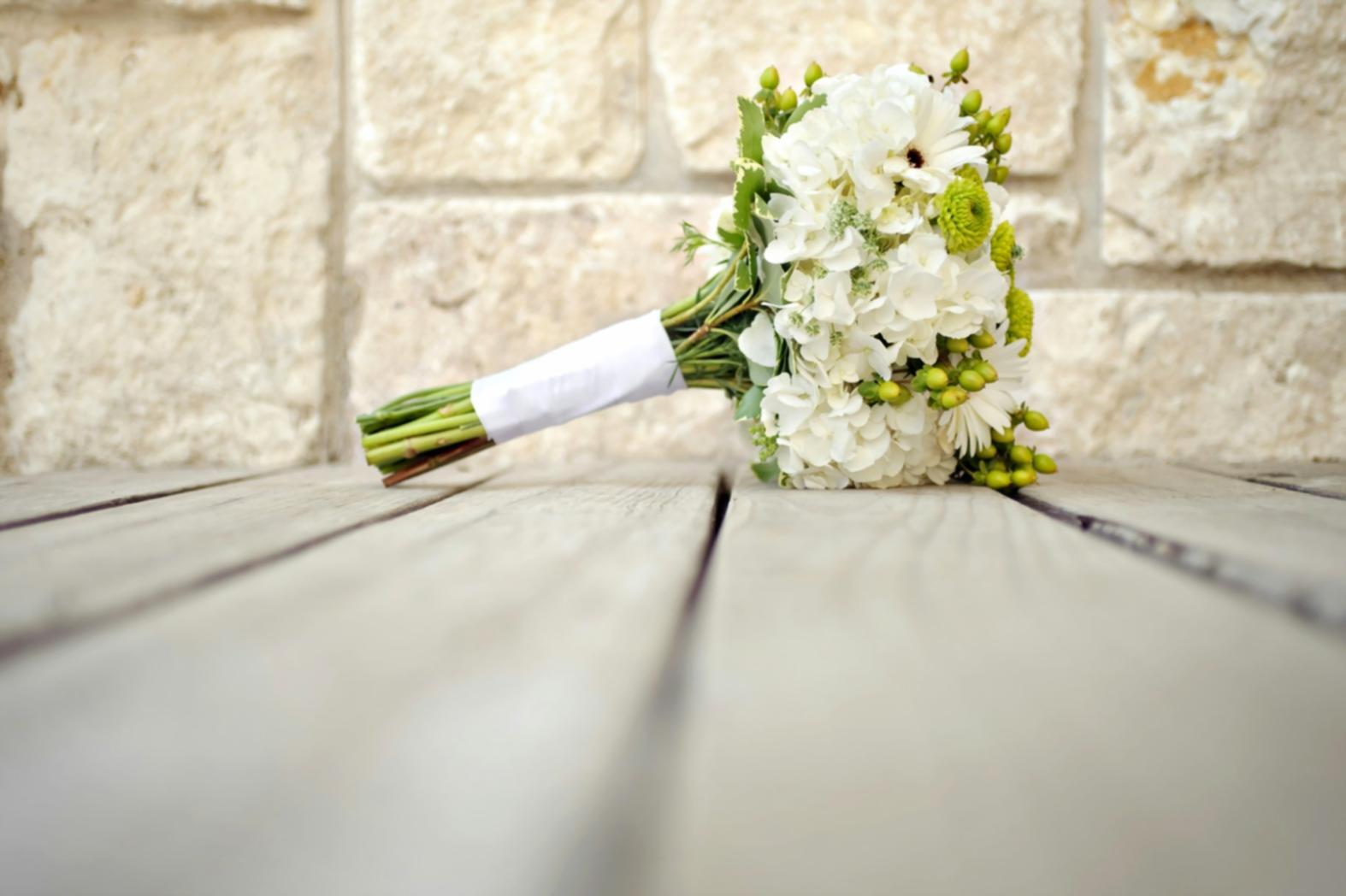
Line and Movement in Floral Composition: What the Theory Looks Like in Practice
Read case study
Rhythm and Repetition in Floral Design: Student Case Study
Read case studyEach study follows the work, not the result
Case studies at Gulskav are not success stories. They are records of process — what a student was working on, which theoretical framework they applied, and where the friction was. The goal is to make the reasoning visible, not the outcome impressive.
Florists working at intermediate and advanced levels typically find it harder to identify why something looks off rather than how to fix it. That gap — between visual instinct and theoretical grounding — is what most cases address directly.
The setup
The specific task the student was given — material, format, and any constraints.
The theory applied
Which module or principle guided the approach — color temperature, rhythm, mass-line relationship.
The decision points
Where the student had to choose and why — instructor notes included without editing.
Reflection and carry-forward
What the student took from the exercise into their next assignment or independent work.
Interested in the full program?
The Learning Program covers the theoretical foundations that appear across all these cases — from structural logic to color system work. You can review the full curriculum before committing.