
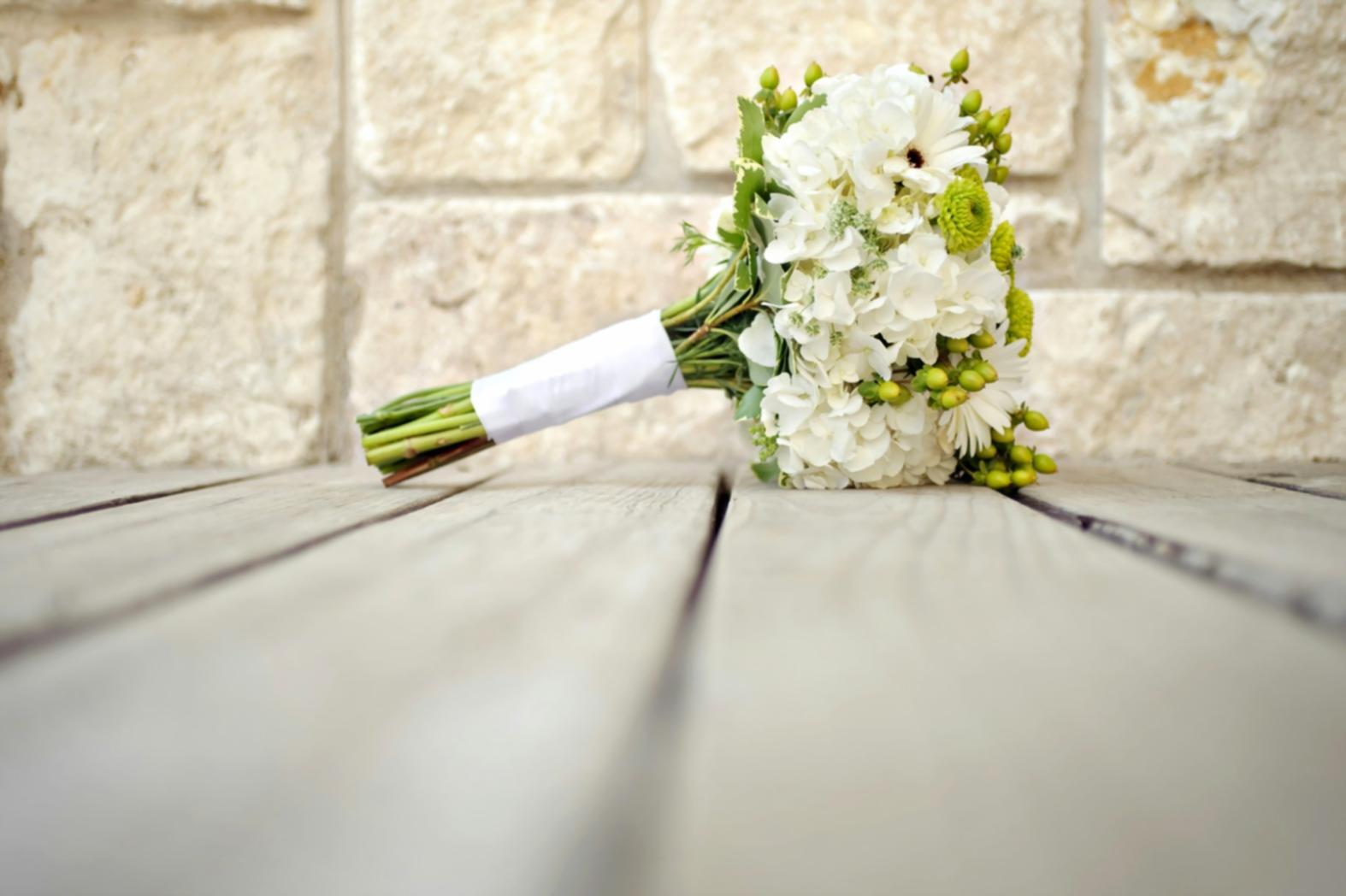
Lines in floral design do more than fill space
Ruslan Kovalenko, a floral art student in Dnipro, described his early arrangements as static — they sat in the vase without energy or direction. His instructor introduced him to line flowers: delphiniums, snapdragons, gladioli, liatris. These vertical elements create upward movement and establish the skeleton of an arrangement before any other materials are added.
How does line theory connect to the overall composition?
Line flowers define height and set the proportional scale for everything else. Once placed, they also suggest direction — a curved line of stems pulls the eye along a path, while a straight vertical line anchors the arrangement and adds formality. Crossing lines at deliberate angles creates tension and dynamism.
Student questions about line in floral design
What if I only have round flowers available? You can create implied lines using spacing and repetition rather than linear bloom shapes. How many line flowers go in a standard arrangement? Three to five stems typically establish enough movement without overwhelming other materials.
The practical starting point
Place your line flowers first, every time. Changing them after the arrangement is half-built disrupts everything around them and wastes time.